Bugvirus: The Pixelated Display Font for Retro Digital Brands
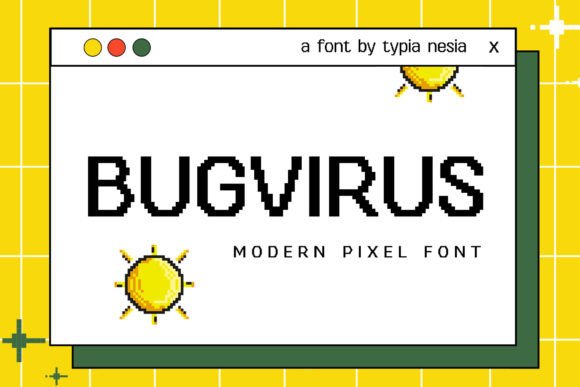
I was staring at a blank hero section on a boutique online store I was redesigning, trying to find a typeface that could instantly transport visitors back to the golden age of arcade gaming without looking cheap or dated. That was when I decided to test Bugvirus, a unique pixel-style font designed to capture the essence of retro gaming and digital technology. As soon as I dropped it into the headline area, the entire mood of the page shifted from generic e-commerce to an immersive, nostalgic experience that felt both playful and professional.
This Display font is not just a collection of blocky letters; it is a deliberate design choice that evokes the charm of early digital interfaces while maintaining the legibility required for modern web layouts. When you are building a digital brand kit or a product landing page, choosing the right Fonts can make or break the user's first impression, and Bugvirus offers a distinct personality that stands out in a sea of clean sans-serifs.
How Bugvirus Enhances Hero Sections and Landing Page Headlines
The moment I applied Bugvirus to the main headline of a course sales page, I noticed an immediate improvement in visual hierarchy and user engagement. This Display font works exceptionally well for large, attention-grabbing text because its pixelated structure naturally draws the eye, making it perfect for hero sections where you need to stop the scroll. Unlike standard serif or sans-serif fonts that blend into the background, Bugvirus creates a bold statement that sets the tone for the entire site before a single word of body copy is read.
In my testing, I found that using this font for short phrases or campaign titles on promotional landing pages added a layer of character that generic web fonts simply cannot match. It transforms a standard call-to-action area into a mini-game interface, encouraging users to click through with a sense of curiosity. However, I also learned quickly that Bugvirus should be reserved for headlines and decorative accents rather than long paragraphs of text. Its chunky nature is ideal for logo design and branding elements, but it requires careful sizing to remain readable on smaller mobile screens.
Bugvirus for Creative Portfolios and Game Development Sites
For a creative portfolio or a game developer's homepage, Bugvirus serves as a powerful tool to showcase technical skill and artistic flair simultaneously. When I integrated this pixel font into a personal website layout, it immediately communicated a specific niche identity that resonated with developers and gamers alike. The font's ability to evoke nostalgia makes it a natural fit for showcasing retro-inspired projects, indie games, or digital art collections.
- Visual Consistency: Using Bugvirus across headers and subheaders creates a cohesive brand identity that feels intentional rather than random.
- Emotional Connection: The retro aesthetic triggers positive memories of early internet culture, building trust and rapport with a specific audience.
- Standout Factor: In a crowded market of minimalist designs, a high-quality Display font like Bugvirus ensures your project is memorable.
Ensuring Readability and Performance on Mobile Devices
One of the most critical aspects of integrating any new Fonts into a live project is ensuring they perform well across all devices, and Bugvirus presents some interesting challenges and opportunities in this regard. While the pixel style is visually striking, I had to adjust the letter spacing and line height to ensure the characters didn't appear too dense on narrow smartphone displays. By pairing Bugvirus with a simple, clean sans-serif font for body copy, I was able to maintain excellent readability without sacrificing the retro aesthetic.
When placing Bugvirus over image banners or dark backgrounds, contrast becomes a key factor. The sharp edges of the pixels can sometimes get lost against complex textures, so I recommend using solid color overlays or ensuring sufficient contrast between the text and the background. For fast-loading visual content, it is important to verify that the font file format is optimized for the web, as heavy display fonts can impact page load times if not properly compressed.
Bugvirus for Online Shop Banners and Product Cards
I tested Bugvirus on a boutique online store selling vintage-style merchandise, and the results were impressive for driving attention to specific products. Using this Display font for sale banners or limited-time offer badges created a sense of urgency and excitement that mimicked old-school arcade scoreboards. The font's geometric precision allows it to look crisp even at smaller sizes, making it suitable for product card labels or category headers.
However, I advise against using it for long descriptions or pricing details where clarity is paramount. Instead, reserve Bugvirus for the "hook" parts of your layout—the title of the product, the sale price, or the "Add to Cart" button label. This strategic use enhances the overall user experience by guiding the eye to the most important information without overwhelming the reader with too much stylistic decoration.
Pairing Strategies for Modern Web Design Projects
Selecting the right companion typeface is essential when working with a personality-driven pixel font like Bugvirus. My preferred approach for a polished online brand experience is to pair it with a neutral, highly legible sans-serif font for body text. This combination balances the playful, nostalgic energy of the display font with the professionalism and clarity needed for reading detailed content.
If you are aiming for a more editorial digital identity, you might consider pairing Bugvirus with a classic serif font, though this requires careful tuning to avoid clashing styles. For most web design projects, including coaching websites and SaaS landing pages, sticking to a modern sans-serif ensures that the Bugvirus remains the star of the show. The goal is to create a visual rhythm where the display font grabs attention, and the supporting typography delivers the message effectively.
Bugvirus for Social Media Graphics and Digital Ads
Beyond the website itself, Bugvirus proves to be an incredibly versatile asset for social media graphics and digital advertising campaigns. Its bold, pixelated look translates well to small thumbnails and banner ads, where space is limited and impact is everything. I used this font to create a series of promotional images for a blog redesign, and the consistent retro theme helped establish a recognizable visual language across different platforms.
When designing these assets, remember that the font's unique character works best when used sparingly. A single word or short phrase in Bugvirus can anchor a graphic, while the rest of the text provides context. This technique ensures that your digital ads remain clear and actionable, leveraging the nostalgic appeal of the font to increase click-through rates without confusing the viewer.
Finalizing Your Brand Identity with Premium Design Assets
Before committing to Bugvirus for a full-scale client project, it is wise to check the included styles, multilingual support, and commercial font licensing terms. Understanding the full range of weights and alternates available allows you to maximize the font's potential in various contexts, from logo design to extensive web content. This premium font offers a level of detail and craftsmanship that elevates any digital product creator's work, provided it is used with intention and care.
Ultimately, adding Bugvirus to your toolkit means unlocking a nostalgic pixelated world that connects with audiences on an emotional level. Whether you are redesigning a blog header, launching a new course sales page, or refreshing a digital brand kit, this Display font provides the unique voice your project needs to stand out. By balancing its retro charm with modern usability principles, you can create a website that feels both timeless and fresh, driving better engagement and stronger brand loyalty.